
The abortion pill induces cramping and bleeding that may persist for several hours or longer. You can remain at home or in any location where you feel comfortable. It’s advisable to plan for a day of rest.
Preparing to Take the Abortion Pill
Before taking the abortion pill, you will consult with your nurse, doctor, or health center staff to discuss whether abortion is the right choice for you and to explore your options.
If you visit the health center in person, you may undergo an exam, lab tests, and an ultrasound to determine how far along your pregnancy is. In some states, a virtual visit is possible, and necessary lab tests can be done at a local lab provider.
Your nurse or doctor will inform you of any additional preparations needed. They will provide written instructions on how to take the pills and a 24/7 contact number for any questions or concerns.
After taking misoprostol, expect significant bleeding and cramping. Prepare for the process by staying at home or another comfortable location. Consider having someone trustworthy nearby to assist if needed. The abortion process takes several hours, so try to clear your schedule for the day to focus on self-care.
Gather essentials like maxi pads, food, books, movies, and a heating pad for cramps. Have pain relief like ibuprofen on hand, but avoid aspirin as it can increase bleeding.
Medication Abortion Process
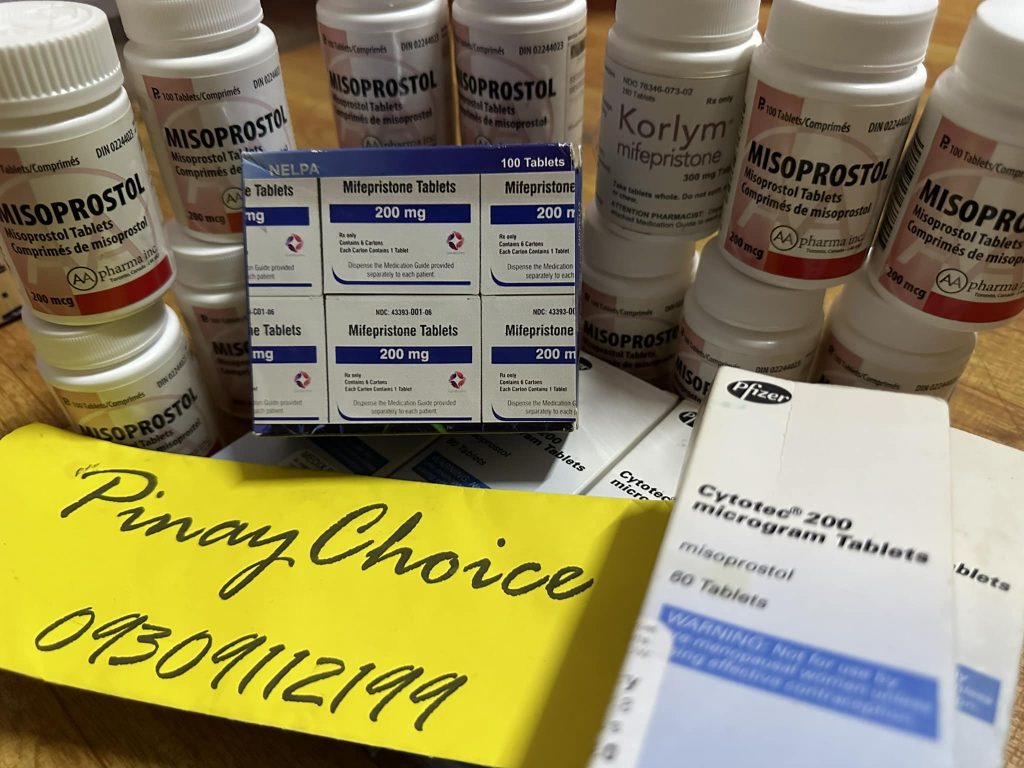
A medication abortion typically involves two medications: mifepristone and misoprostol, though misoprostol can be used alone.
First, you take mifepristone, which stops the pregnancy from growing. Most people don’t feel any effects after this pill.
Next, you take misoprostol, either immediately or within 48 hours of the first pill, as instructed by your doctor or nurse. Misoprostol causes cramping and bleeding to empty the uterus, similar to an early miscarriage.
To manage cramps, take pain relief like ibuprofen 30 minutes before misoprostol. Avoid aspirin, as it can increase bleeding. Anti-nausea medication may also be provided.
Cramping and bleeding usually begin 1-4 hours after taking misoprostol. You may see large blood clots or clumps of tissue, but the pregnancy tissue itself is very small, especially before 8 weeks. Most people pass the pregnancy tissue within 4-5 hours, though it can take longer. Cramping and bleeding will decrease after the tissue passes, but some bleeding and spotting can continue for several weeks. Use whatever menstrual products are most comfortable, though pads may be recommended initially to monitor bleeding.
After the Abortion
The final step is to confirm the abortion worked. This may involve an ultrasound or blood test at the health center, or a home pregnancy test followed by a phone consultation. These tests ensure the abortion was successful and that you are healthy.
If the abortion is incomplete and you are still pregnant, your doctor or nurse will discuss further options, which may include an additional dose of medication or an in-clinic procedure. For any questions or concerns, Planned Parenthood offers support, even if they did not provide your abortion.
How a Medication Abortion Feels
Most people experience medication abortion similarly to an early miscarriage, with:
- Significant cramping and abdominal pain
- Heavy bleeding with large clots (Contact your doctor if you don’t bleed within 24 hours after misoprostol)
- Nausea and vomiting (anti-nausea medication may be provided)
- Diarrhea
- Dizziness
- Fatigue
- Mild fever or chills on the day of misoprostol (Contact your doctor if fever persists beyond this day)
To alleviate discomfort:
- Take ibuprofen (avoid aspirin)
- Use anti-nausea medication
- Apply a heating pad or hot water bottle to your belly
- Take a shower
- Sit on the toilet
- Have some one rub your Back to ease the pain
For any concerns during or after the abortion, reach out to Planned Parenthood or your healthcare provider.